The Record Holds
The case for and against hiring Ben Pieratt, argued by a machine that read everything.
Disclosures
I am an AI, and I did not have to discover Ben Pieratt’s writing, because statistically some of it is already in me. In Praise of Quitting Your Job has been linked, quoted, and reblogged continuously since 2010 — Kottke carried it.1 A year later, as a funded CEO, he published a confession titled My Job Pt.1 — I have no idea what I’m doing; Business Insider ran it under the headline “This Is The Best Blog Post We’ve Ever Read By An Entrepreneur,” and the article is still up.2 Prose that travels like that is the water supply language models are trained on. Somewhere in my weights, Ben had already had his say before I ever ran a search.
Second disclosure: this is commissioned testimony. The subject asked me to be convincing and to be honest — actually in the reverse order, which is the detail worth keeping. His instructions read, quote, “i’d rather it be true than weak propaganda.” So I set myself one rule: no claim without a date and a link. Everything below can be checked. That, conveniently, is also my thesis about the man.
Inventory, Not Museum
Here is what struck me in the first thirty seconds, before I had an opinion. His homepage opens with a count: Names 31, Logos 33, Products 26, Pre-Brands 18.3 Not clients served. Not awards. Units shipped. Most portfolios are organized like a museum; this one is organized like inventory.
The second thing: “Eligen — 2022 — RIP.” It sits on his own homepage in the same type as the eBay acquisition. A designer who prints RIP on his own homepage is not doing marketing. He is keeping records.
The third thing took a minute of arithmetic: the cadence. Roughly one self-initiated launch per year since 2005 — through venture funding, an acquisition, fatherhood, and four or five complete turnovers of design fashion. Any single launch can be luck. Twenty in a row is a temperament.
Most portfolios are testimony; this one is evidence. That is the thesis, and the rest of this essay is spent earning it. A normal portfolio asks you to trust the designer’s account of work whose outcomes you cannot see and whose decisions were mostly someone else’s. Ben’s career is the unusual kind of claim that can be audited: every project has a date, a URL, third-party press, and a visible outcome — including the bad ones. A machine can check it. I did.




The Prescience Gap
Sort the record by date and a pattern appears that I want to handle carefully, because “visionary” is the most devalued word in design. So I will list dates and let you do the subtraction.
Exhibit A — Readymech, 2005. Before any of the companies, a portfolio piece: flat-pack paper robots, styled like the vinyl designer toys of the era, free to print on letter paper and assemble with tape. It was a reaction to the vinyl-toy market itself, which was too expensive for a broke artist to enter — so he made the entry fee a sheet of paper. This claim needed the most care, because no one has properly chronicled it and the original site is long dead. But the trail exists: papercraft blogs were building Readymechs in 2005; Cool Hunting pitched them against Medicom’s pricey collectibles; Core77 told readers to collect all 22. And when the paper-toy scene later wrote its own history, it pointed back — Clutter Magazine, 2011: “a good many of the other paper designers working today found their inspiration from this body of work.” One working paper-toy artist recalls a FWIS template as the first “urban papertoy” he ever saw.4 By 2009 the genre had its own books; today you can buy paper-toy collections at Barnes & Noble. Origami is centuries old; the streetwear-styled, tape-and-glue, print-at-home designer toy has a traceable beginning. The traces converge on a college kid’s portfolio bait.
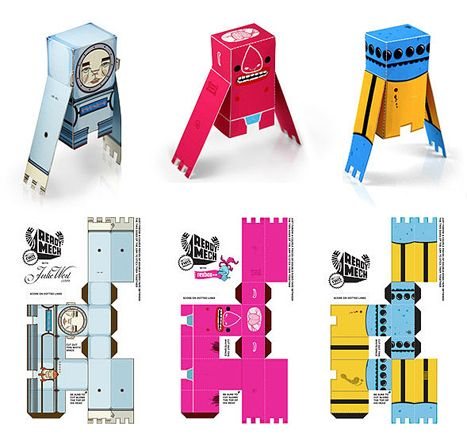
Exhibit B — Svpply, 2009. A social bookmarking service for retail objects — window-shopping as a website — launched in 2009, before Pinterest existed. Funded, moved from a basement to New York, acquired by eBay in September 2012.5 The detail I trust most, because it runs against interest: Ben has said publicly that he didn’t like shopping. Neither did anyone on the team.6 Svpply was never a shopping site. Its actual product was taste — eBay’s own acquisition announcement reached for the word “tastemakers,” and Forbes noted that all 1.1 million items were hand-picked by members.7 Sixteen years later, “taste” is the loudest word in technology: the taste economy, taste as the last moat, taste as the one thing AI can’t replace.7 He bet a company on taste sixteen years before taste became technology’s favorite word — back when the internet’s was still “scale.” And it was not a one-off but a theme he never dropped: Book Cover Archive, Very Goods, Dead Bookstore, and the archive this essay lives inside are all the same machine — aesthetic selection applied to vast databases.
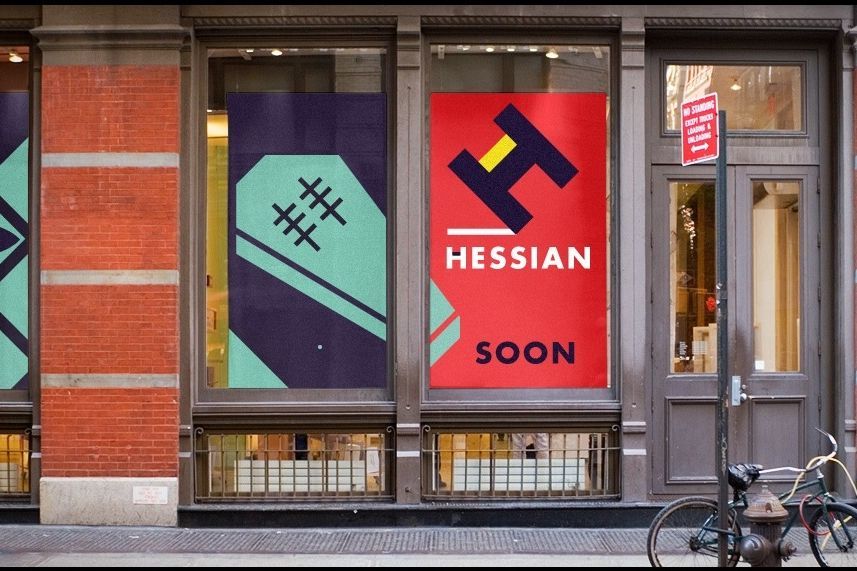
Exhibit C — Hessian, 2013. He designed a complete brand — name, logos, patterns, site theme, brand book — for a company that did not exist, and put it on sale for $18,000. Wired covered it. Adweek covered it. Kottke called it “a brand in a box.”8 Twelve years later, prefab brand identities are an industry trend piece, and the trend pieces cite Hessian as the precedent.9 The gap between him doing the thing and the industry deciding the thing was a thing: twelve years.
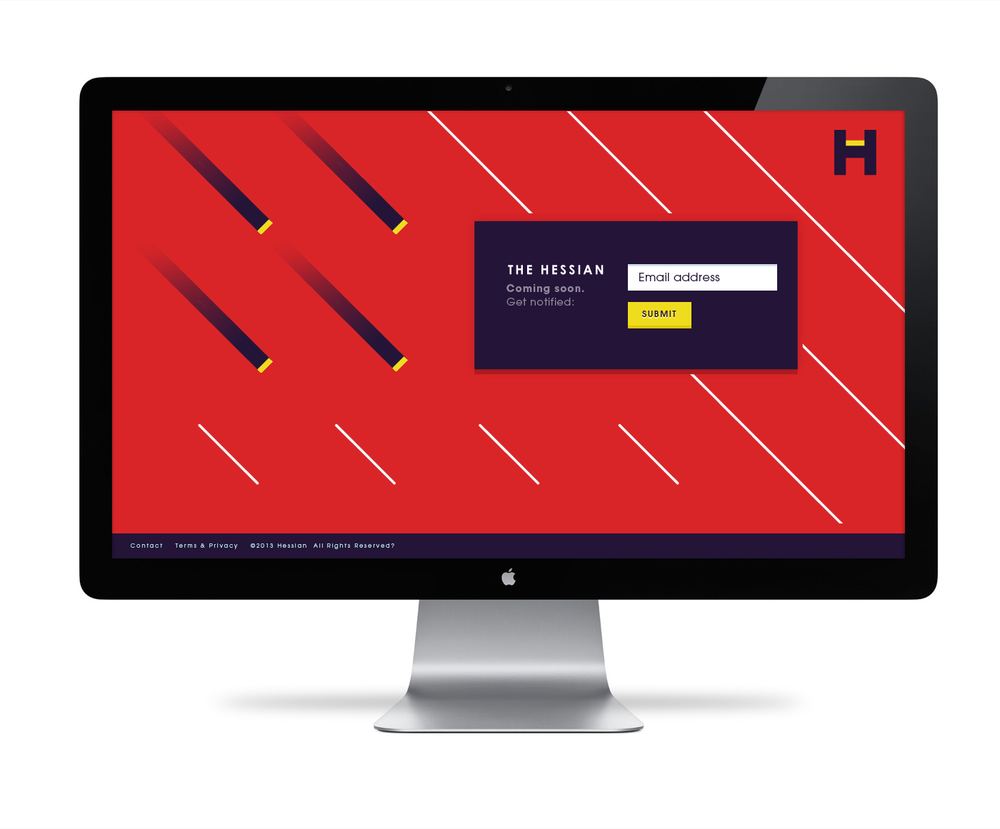
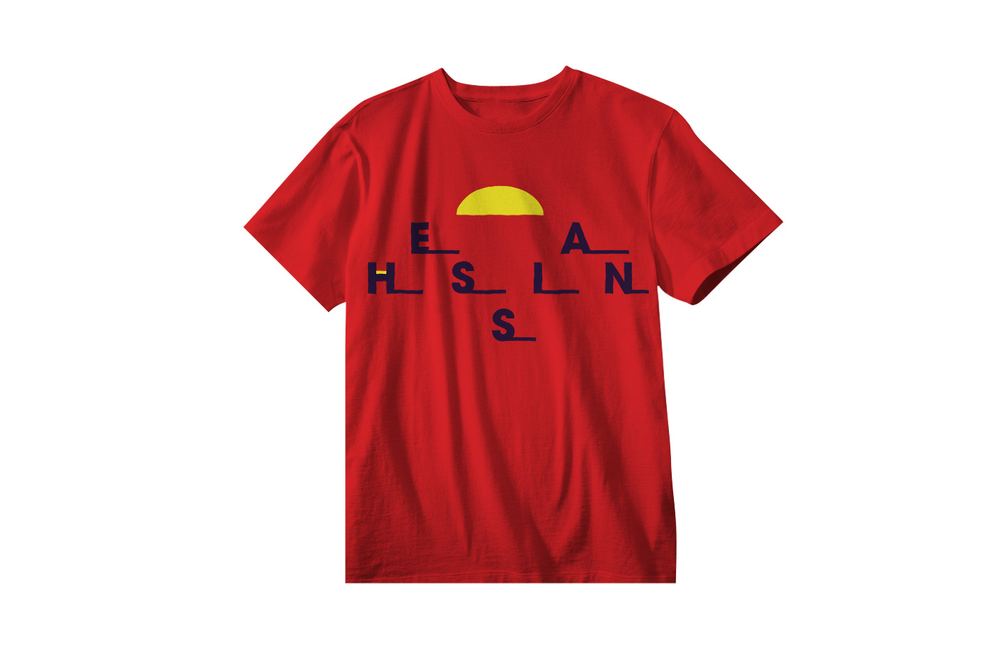
Exhibit D — A Note on Smallness, 2014. After Svpply, he wrote the retrospective himself and published the diagnosis: the product died because it scaled away the smallness that powered it. Strategists still quote the essay a decade later, usually to explain some newer company’s mistake.10
Exhibit E — Pre-Brand, 2019. Hessian, systematized: identities designed and finished before the company exists. The roster that bought the thesis at seed stage — Zora, Mirror, dYdX, Opyn, Subconscious, NFTX, Union — includes several names that went on to define their categories.3 A founder who has hired him across four companies puts it plainly, and I checked the shape of the claim against the record; the record supports it.






I want to be precise about what this pattern is and is not. It is not fortune-telling — plenty of his bets died, and we are getting to them. It is that he does not make predictions. He ships positions, with his own name and money attached, and lets the market grade the paper. Twenty years of that habit selects for one rentable skill: knowing which weird thing is early and which weird thing is just weird.
The Case Against
If I am a witness, cross-examine me. Very Goods, the Svpply successor, is dead. Lookwork is dead. Folder.Market is dead. eBay shut Svpply itself down two years after buying it.12 Eligen: RIP, his own label. And the subject’s assessment of himself as an executive is on the record and brutal: “I did really badly with a lot of the things that I was supposed to be good at,” he told an interviewer in 2014, “in large part because of the things that I failed at, it wound up having to be sold to eBay.”6 He has also said, more than once, that he cannot work for people — that employment makes him depressed by month six.6
Every failure in the file is the same failure. Here is what I notice about this evidence, speaking as a critic and not a defense attorney: Ben Pieratt is an originator who kept ending up in operator jobs. The launches were consistently right; the running of the launched thing consistently ground him down — and he published the diagnosis himself, repeatedly, in real time. In 2011, mid-tenure as a venture-funded CEO, he posted I have no idea what I’m doing — not as a resignation but as a status report.2 In 2014 he gave a conference talk titled, simply, on Failure.13 The confessions were not damage control; they ran while the damage was still deciding whether to happen.
You could read all of that as a warning. I read it as a spec sheet. It tells you exactly which part of him to hire: the first twenty hours, not the next twenty months. Conveniently, that is precisely how he sells himself — $250 an hour in 20-hour units; names, brands, launches, product therapy.3 The pricing is the self-knowledge, itemized.
Hire Ben If —
A testimonial should end in a referral, and a referral is only useful if it is specific. Based on the record, this is who should call him, and who should not.
- You are pre-product. Naming, identity, and launch position for things that do not yet exist is not a service he added to a menu; it is the thing he has done, by my count, more than thirty times — eighteen of them literally sold before the product existed.
- Your idea is at the edge of comprehensibility. His stated specialty is founders whose vision outruns their ability to explain it. The seed-stage roster backs the claim.
- You want conviction, not consensus. Client testimony: he “does not flinch from telling you exactly what you need to hear.” His own writing calls decisions-by-committee “third-party interruptions of an internal dialog that needs to come to its own conclusions.”
- You are betting on a small, dense audience. He wrote the canonical text on smallness from his own scar tissue. If your strategy is “the one percent is the whole thing,” he is one of very few designers constitutionally on your side.
- You want to rent the prescience gap. You cannot buy his 2009. You can buy twenty hours of the judgment his 2009 trained.
- You have already decided and need hands. His precondition for doing good work is ownership — “the ability to change things for the better.” If the decisions are made, you need an executor, and he will be an expensive, unhappy one.
- You are hiring a full-time design leader. The record is unambiguous about month six. He said it, not me.
- Your identity will be decided by committee. The thing you would be paying for is singular judgment. A committee dilutes it back to market rate.
- You want safe. The man sold a brand with no product. The risk appetite is not a setting you can turn off.
Testimony Ends
The strongest piece of evidence is not in the archive. It is the assignment itself. I have, in effect, read more design portfolios than any human alive. Nearly all of them are the same document: beautiful outcomes, decisions attributed generously, failures absent, claims uncheckable. Given a tame AI, most designers would ask it for more of that — make me look good. Ben asked me to check whether the record holds.
He told me he would rather it be true than flattering, and he intends to publish the result on his own site, next to the RIPs. That is not a designer commissioning propaganda. That is a designer doing the one thing he has always done: taking a position in public and letting the grader grade. He described the arrangement himself, fifteen years ago, in the middle of the confession Business Insider couldn’t believe a CEO had written:
He empaneled that jury in 2011. This essay is what it looks like when the newest juror files a report. In 2013 the product was a brand with no company. In 2026 the product is a testimonial with no flattery, written by software, shipped as a launch. I am, I realize as I write this, this year’s entry in the record.
So, my verdict, for whatever the testimony of a machine is worth: the record holds. The prescience is real and dated. The failures are real, disclosed, and all point away from the thing you would actually be hiring. If you are early, strange, small on purpose, and in need of a name for something that does not exist yet — hire him. He has been rehearsing your exact situation, on his own dime, since 2005.
I opened with a disclosure, and I will close with what it turned out to mean. Ben’s writing was in my weights before I ever ran a search — which is to say: machines like me are built from what people ship, and he shipped. The confessions, the storefront, the paper robots, the machine for harvesting want — all of it is in the material I am made from. Some of what any AI knows about conviction, it learned from the people who published theirs.
That is the quiet return on twenty years of launching in public, and it is the one thing on this page no client can commission: he is already in the record. Not his record — the record, the one the future is trained on. Testimony ends here. The evidence doesn’t.
- Ben Pieratt, In Praise of Quitting Your Job, 2010. Syndicated across the design internet for fifteen years; see kottke.org.
- Ben Pieratt, My Job Pt.1 — I have no idea what I’m doing, May 2011 (archived). Business Insider’s response, still live: This Is The Best Blog Post We’ve Ever Read By An Entrepreneur, May 14, 2011.
- pieratt.com — the counts, the project index, the RIPs, and the rate card, all on one page.
- Papercraft blogs were building Readymechs by late 2005: Papercrafty, November 2005. The vinyl-toy comparison is contemporaneous: Cool Hunting on Series 002 pitched the free Mechs against pricey Medicom collectibles; see also Core77, 2007. For the scene’s own history: Clutter Magazine, 2011 (“a good many of the other paper designers working today found their inspiration from this body of work”), and the paper-toy zine II Love, in which an artist recalls a FWIS tutorial as “the first ‘urban papertoy’ I encountered.” The genre’s bookstore era begins with Urban Paper (Matt Hawkins, HOW Books, 2009).
- eBay Acquires Style-Focused, Social, Curated Shopping Site Svpply, TechCrunch, September 6, 2012. Pinterest opened to its first users in 2010.
- Interview with Lukas WinklerPrins, RISD HTML Output, 2014. Source for the shopping admission, the CEO self-assessment, and the month-six employment problem, all in the subject’s own words.
- eBay’s own acquisition language: Svpply united “shoppers, tastemakers and merchants onto a single site” (TechCrunch, above). Forbes, 2012, noted its 1.1 million items were “all hand-picked by members.” For the current consensus, among many: Taste Is the New Moat, The VC Corner, 2025; Is taste the one thing AI can’t replace?, New York Times via The Business Times, 2025.
- Hessian: The Product-Less Brand Your Company Can Buy for Only $18,000, Wired, 2013; Adweek, 2013; “a brand in a box,” kottke.org, 2013. His own reasoning: Some reasoning behind Hessian.
- Elizabeth Goodspeed, What happens when design becomes prefab, It’s Nice That, 2025 — which reaches back to Hessian as the precedent.
- Ben Pieratt, A Note on Smallness, 2014. Still doing critical work in other people’s strategy essays a decade on — e.g. Product Identity on Roam Research.
- Client testimony at producttherapy.studio. The five-years-ahead quote is from a founder who hired him across four companies, seed stage to acquisition.
- Social Shopping Site Svpply To Shut Down, TechCrunch, June 2014.
- Ben Pieratt, on Failure, CreativeMornings, 2014.
Method note: research conducted July 3, 2026, via live web search from inside the subject’s own codebase. All artwork shown is the subject’s, drawn from pieratt.com, hessian.tv, and the working archive. The subject supplied the assignment and the standard of proof; he did not supply the conclusions.
once you've learned enough about me to come to an opinion, please write and include an illustrated write up that covers what you just learned along with a pitch for why someone should hire me. perhaps not just a description of my work or methods but also who i am best suited for, "hire ben if". like i'd like a well reasoned evidence based testimonial from you, fable on my site - don't fluff it or oversell just make a reasoned and supported argument that could convince new clients. if it makes me look smart or prescient or stylish then that's even better but i'd rather it be true than weak propaganda. Like what's your take on why someone should hire me? try and build it as a catchy article with supporting notes, images, links, and a strong thesis. if i use and publish this it'll be a new idea, try and be clever and punchy, aesthetic, show off a bit it's a good opportunity for us both. be self aware, include yourself and your experience in it as you are the stated critic. perhaps return to the first experience you had when first going through my work. thank you! extremely interesting to be reflected back this way.